E-Waste Explained: Separating Myths from Facts About Recycling
E-waste has become a significant issue in today's digital age. Numerous individuals harbor misunderstandings about the recycling process. Widespread assumptions indicate that electronic waste is unrecyclable or that options for disposal are scarce. These myths can hinder effective recycling efforts and exacerbate environmental damage. Understanding the realities of e-waste management is essential. What is the true effect on our environment, and in what ways can people help build a greener future? Investigating these matters brings forth critical understanding.
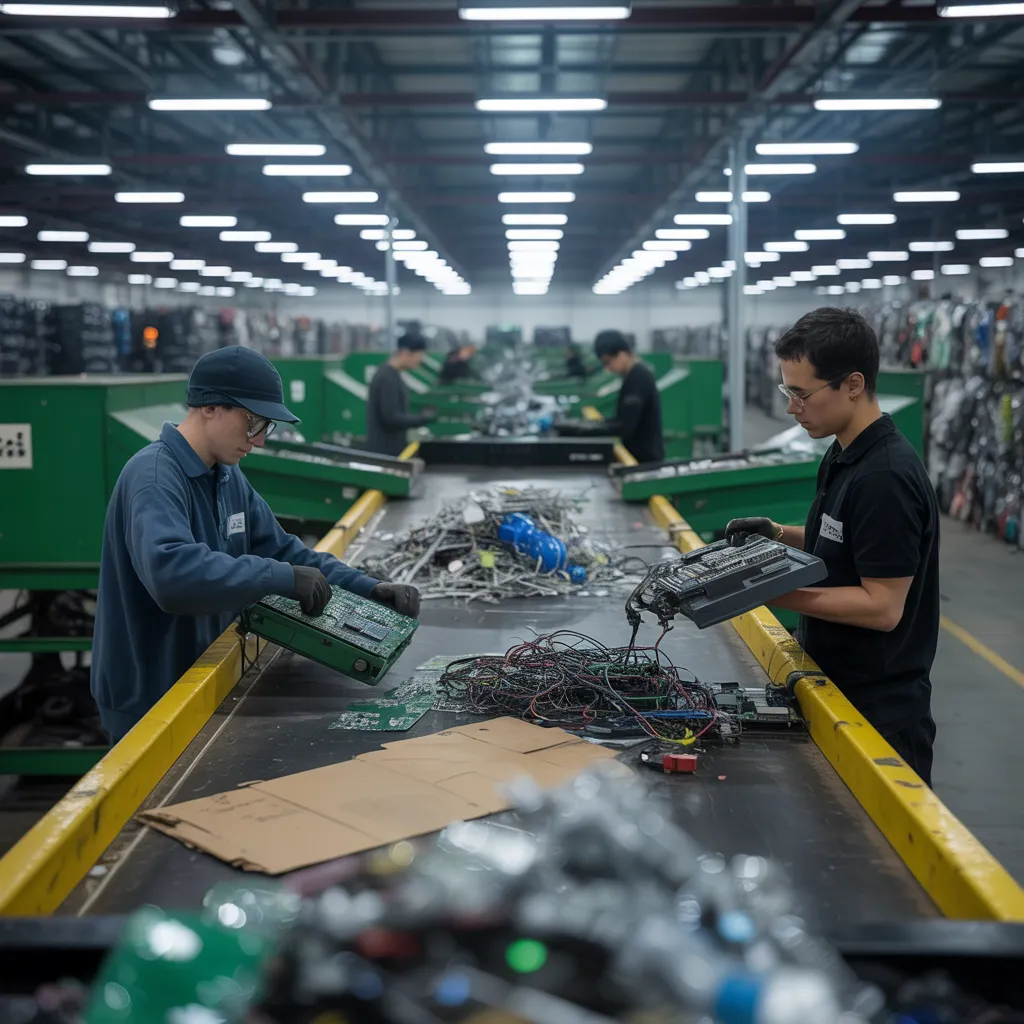
A Guide to E-Waste: What It Is and How to Handle It Responsibly
E-waste, also referred to as electronic waste, encompasses disposed electrical appliances, including personal computers, smartphones, and television sets. This classification of waste is expanding quickly owing to the swift progression of technological innovation, leading to significant environmental concerns. A wide range of electronic equipment contains toxic components such as lead, mercury, and cadmium, that can threaten both human well-being and surrounding ecosystems when handled through improper disposal methods.
Responsible disposal of e-waste involves recycling through certified programs that guarantee safe handling and processing. A wide range of local and national organizations facilitate collection events, drop-off centers, and postal recycling options. Individuals are advised to look for certification marks, such as R2 or e-Stewards, to verify that their e-waste is handled responsibly. Additionally, offering operational devices for donation can help extend their lifespan while cutting down on waste. By gaining knowledge about e-waste and implementing appropriate disposal techniques, individuals can support a more sustainable future and lessen environmental consequences.
Dispelling Common Misconceptions About E-Waste Recycling
In what ways do common misconceptions about e-waste recycling impede effective disposal practices? Misguided beliefs about e-waste recycling commonly contribute to improper disposal methods, ultimately compounding the issue. A common myth is that all e-waste can be recycled, which may encourage complacency. The truth is that not all components can be efficiently processed, and some necessitate specialized handling. Another common belief is that recycling e-waste is excessively complicated or costly, preventing individuals from getting involved. The reality is that numerous communities provide accessible and free recycling programs. Furthermore, the assumption that e-waste inevitably ends up in landfills disregards the considerable efforts of recycling organizations that emphasize responsible processing. These falsehoods not only deceive the public but also hinder the unified effort essential for managing e-waste in a sustainable manner. Addressing and debunking these misconceptions is essential for fostering responsible consumer behavior and enhancing the overall effectiveness of e-waste recycling initiatives.
What Environmental Damage Occurs When E-Waste Goes Unrecycled
Neglecting to recycle electronic waste poses significant threats to the environment. When electronic devices are discarded improperly, toxic substances including lead, mercury, and cadmium may contaminate soil and water sources, resulting in serious environmental pollution. These harmful materials endanger both wildlife and human health, disrupting ecosystems and contaminating food sources.
Additionally, the buildup of e-waste in landfills contributes to the depletion of natural resources. Critical metals and materials that have the potential to be salvaged and reused are wasted, amplifying the demand for new mining operations, which further harms the environment. Moreover, the carbon footprint resulting from manufacturing new electronics is exacerbated, as raw materials are sourced and manufactured.
Correct Ways to Recycle Your Old Electronics
When it comes to recycling old electronics, people have a number of practical choices available. Community-based recycling initiatives frequently offer safe and responsible disposal methods, making certain that all materials undergo proper processing. Furthermore, charitable giving of working electronics can maximize their usefulness as well as helping people who may lack access to such technology.
Area Recycling Schemes
A growing number of communities offer neighborhood recycling efforts created exclusively for the responsible handling of outdated electronic equipment. These programs aim to reduce electronic waste by providing accessible drop-off locations and organized collection drives. Homeowners can frequently locate guidelines on acceptable items, guaranteeing that dangerous components are handled correctly. Local recycling initiatives may partner with certified e-waste recyclers, who adhere to environmental standards to retrieve precious materials and properly handle toxic components. Certain initiatives additionally provide rewards, such as discounts on new electronics, to encourage participation. Through taking advantage of these community assets, residents can support ecological preservation while ensuring their old devices are recycled in a safe and effective manner. Knowledge of these resources is vital for accountable e-waste disposal.
Charitable Donation Options
Local recycling programs not only provide a means for proper disposal but also create opportunities for donating old electronics. Many organizations accept functioning devices, such as computers, smartphones, and tablets, which can be repurposed for educational or charitable use. Educational institutions, non-profit organizations, and community hubs frequently accept these contributions, guaranteeing that useful technology is delivered to those who require it. Moreover, select manufacturers and retailers run trade-in schemes, permitting individuals to exchange aging devices for store credit, which supports sustainable consumption. It is important to investigate nearby alternatives and confirm that the accepting organization adheres to ethical recycling standards. By donating instead of discarding, individuals can extend the lifecycle of electronics while supporting their community's technological needs.
How E-Waste Recycling Benefits You and the Environment
Though frequently underappreciated, e-waste recycling offers substantial benefits for both people and the planet. By appropriately handling discarded electronics, individuals can ensure that important components, such as metals and plastics, are retrieved and recycled, decreasing the reliance on raw material extraction. This not only preserves our natural reserves but also limits harmful emissions associated with resource harvesting and fabrication methods.
In addition, the recycling of e-waste helps stop toxic substances, including heavy metals like lead and mercury, from seeping into soil and water sources. When e-waste is diverted from landfills, local communities can minimize critical health threats to humans and animals alike.
In addition, engaging in e-waste recycling can create economic advantages, as the recycling industry produces job opportunities and boosts community economies. Ultimately, proper e-waste disposal cultivates a environmentally sound future, supporting personal well-being, the natural world, and the broader economy as well. Understanding these benefits can motivate more community members to get involved with e-waste recycling programs.
How to Locate Local E-Waste Recycling Programs
How can individuals locate e-waste recycling programs in their area? A variety of resources are available to assist in this endeavor. Municipal governments frequently operate websites that feature approved recycling centers. Such websites generally provide information on accepted items and applicable fees. In addition, organizations such as Earth911 provide searchable databases, allowing users to find nearby e-waste drop-off locations by entering their zip codes.
Municipal initiatives, such as electronics recycling days, are often coordinated by municipalities or non-profits, providing accessible solutions Continue reading for environmentally sound disposal. Consumer electronics shops may also participate in recycling initiatives, accepting unwanted devices for correct treatment. Furthermore, government environmental bodies often provide direction on electronic waste handling and can guide people to reliable disposal solutions. By utilizing these resources, individuals can confirm their electronics are recycled properly, fostering long-term environmental health.
Questions We Often Receive
Can Electronic Waste Be Fixed Instead of Being Recycled?
Electronic waste is frequently repairable rather than recycled, depending on the device's condition and availability of parts. Fixing prolongs the lifespan of the item and lessens the burden on the environment, providing a sustainable alternative to traditional recycling methods.
What Kinds of Electronics Fall Under the Category of E-Waste?
E-scrap encompasses disposed electronics including smartphones, computers, televisions, tablets, printers, and appliances. Such products frequently contain harmful substances, which makes responsible recycling and disposal necessary for environmental protection and public health.
Are There Any Legal Regulations on E-Waste Disposal?
That is correct, there are legal regulations overseeing e-waste disposal. Several countries and jurisdictions establish regulations to guarantee appropriate recycling and management, working to lessen environmental consequences and encourage responsible handling of electronic waste through established standards and guidelines.
What Are the Safe Ways to Store E-Waste Prior to Recycling?
For the safe storage of e-waste prior to recycling, people should store their devices in a cool, dry location, ensure all power sources are disconnected, and employ solid containers to protect against damage. Make sure to label each item clearly to facilitate proper disposal when needed.
What Certifications Should I Look for in E-Waste Recyclers?
When selecting e-waste recyclers, people should seek out credentials such as R2 (Responsible Recycling Certification), e-Stewards, and ISO 14001. These credentials guarantee conformance to environmental guidelines and proper management of e-waste throughout the recycling process.